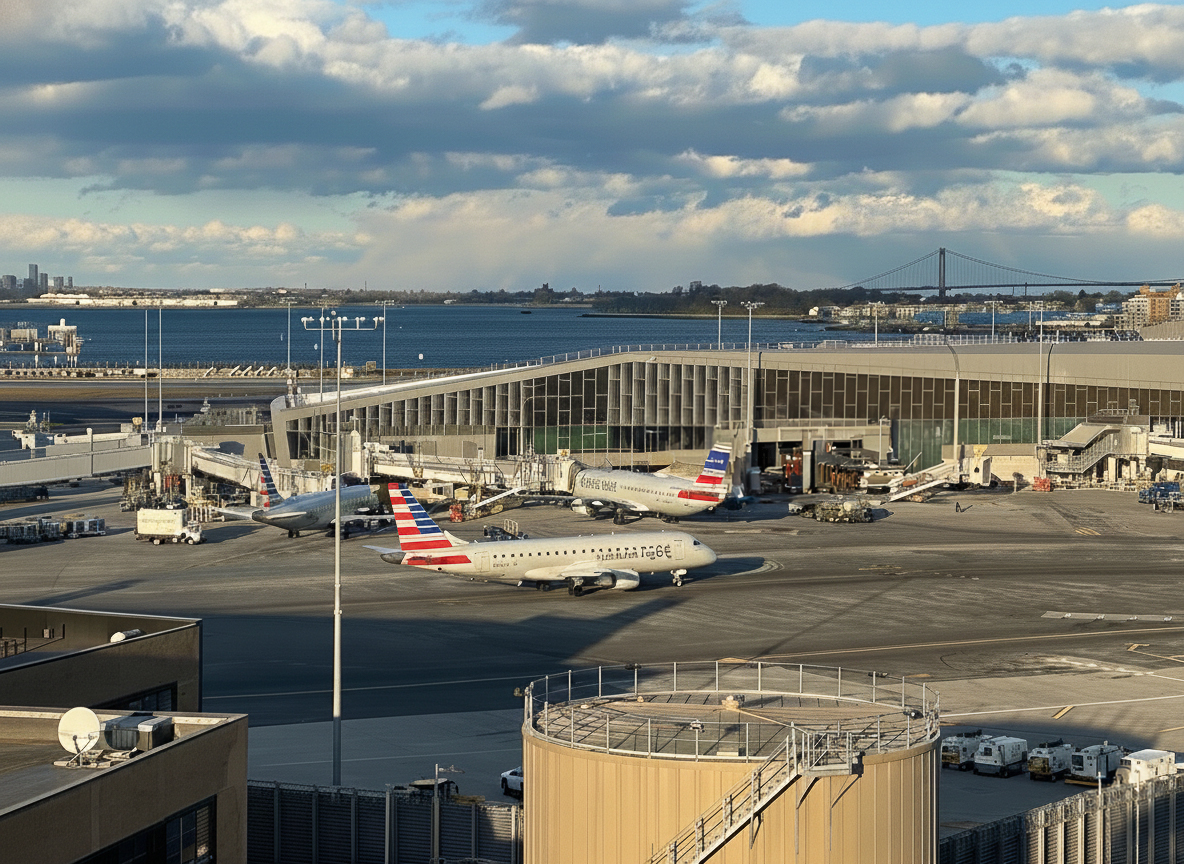
As the world wide air traffic rebounds and increased pressure is placed on aircraft turnarounds, airports now need to ensure that they can manage turnarounds quicker, safely, and more efficiently. In 2026, next-generation airside management will be necessary to keep up with this pace.
WAISL’s TurnWise, a Unified Total Airside Management (UTAM) solution operates on IoT, computer vision and live data, providing airports with a comprehensive view of the airside. It reduces delays, increases safety, and streamlines operations.
See how TurnWise can transform airside operations.
1. Full Situational Awareness using built in data
Every aircraft turnaround involves multiple stakeholders, ie. airlines, ground handlers, fuel supply, catering, among others. TurnWise integrates all these operations into a single digital platform with its Data Availability & Situational Awareness (DASA) module. It uses the real-time data provided by various systems to provide the operations teams with a 360 degree view of each aircraft stand. This removes information silos and coordination gaps, resulting in decisions faster, eliminating delays and aligning harmonious integration of all airside stakeholders.
2. Fully Automated Predictive Resource Management.
With TurnWise , the need to predict future resource requirements to prevent bottlenecks is met with the help of its AI-based predictive analytics called Predictive and Adaptive Resource Allocation and Management (PARAM). The system can dynamically assign the ground support equipment, manpower and vehicles according to the real time demand and forecasted turnaround requirements. It helps prevent unnecessary equipment breakdowns that may spiral into delays in flight due to unanticipated maintenance needs, and by monitoring the health of assets and predicting maintenance, the company can optimally utilise resources during peak operations.
3. Operation Teams’ Visibility of Real Time Airside
TurnWise also offers a live dashboard to operations controllers to see what exactly is occurring in the whole airside at any given time. This enables airside ops to:
- Track aircraft positions
- Observe the movement of the ground vehicles
- Trace the TAT of each task across touchpoints
- Detect delays before they arise
This live tracking allows quick reaction to anomalies, be it then rerouting equipment to clear traffic, dealing with safety concerns or communication with stakeholders to speed a critical departure.
4. Intelligent Hazard Detection Proactive Safety
Operational safety is the primary concern of airside operations, and the Real-Time Airside Knowledge to Safety and Hazard Alerts (RAKSHA) module changes the way airports handle incident management.
The system can scan the area and identify possible hazards (including foreign object debris (FOD) on the apron), identify the violation of vehicle speed or the possible aircraft-vehicle collision) using computer vision and IoT sensors. Electronic monitoring of safety compliance and real-time notifications imply that safety teams can intervene before accidents occur and provide a fundamentally safer airside environment as well as decrease the number of operational disruptions.
5. Using Data as the Driving Force behind Performance and Accountability
The Turnaround Analytics & Post-Ops Assessment (TAPA) module has more than 100 tasks to track each turnaround of an aircraft, giving teams a detailed view of what is working and what is leading to delays. This allows airports to determine precisely what processes or stakeholders contribute to turnaround inefficiencies. The playback features enables them to revisit incidents and near-misses to continually enhance and minimise disputes, and automated billing and SLA tracking supports accountability in all ground handling partners.
The Future of Airside Operations
With the airports becoming data-driven and digitally coordinated, TurnWise makes WAISL a leader in airside management innovation. Airports can be better positioned to support increased volumes of traffic, record the best on-time performance in the industry, continue to record an outstanding level of safety, and provide other airports with a new standard of smart aviation infrastructure.
Contact us today to book a demo.