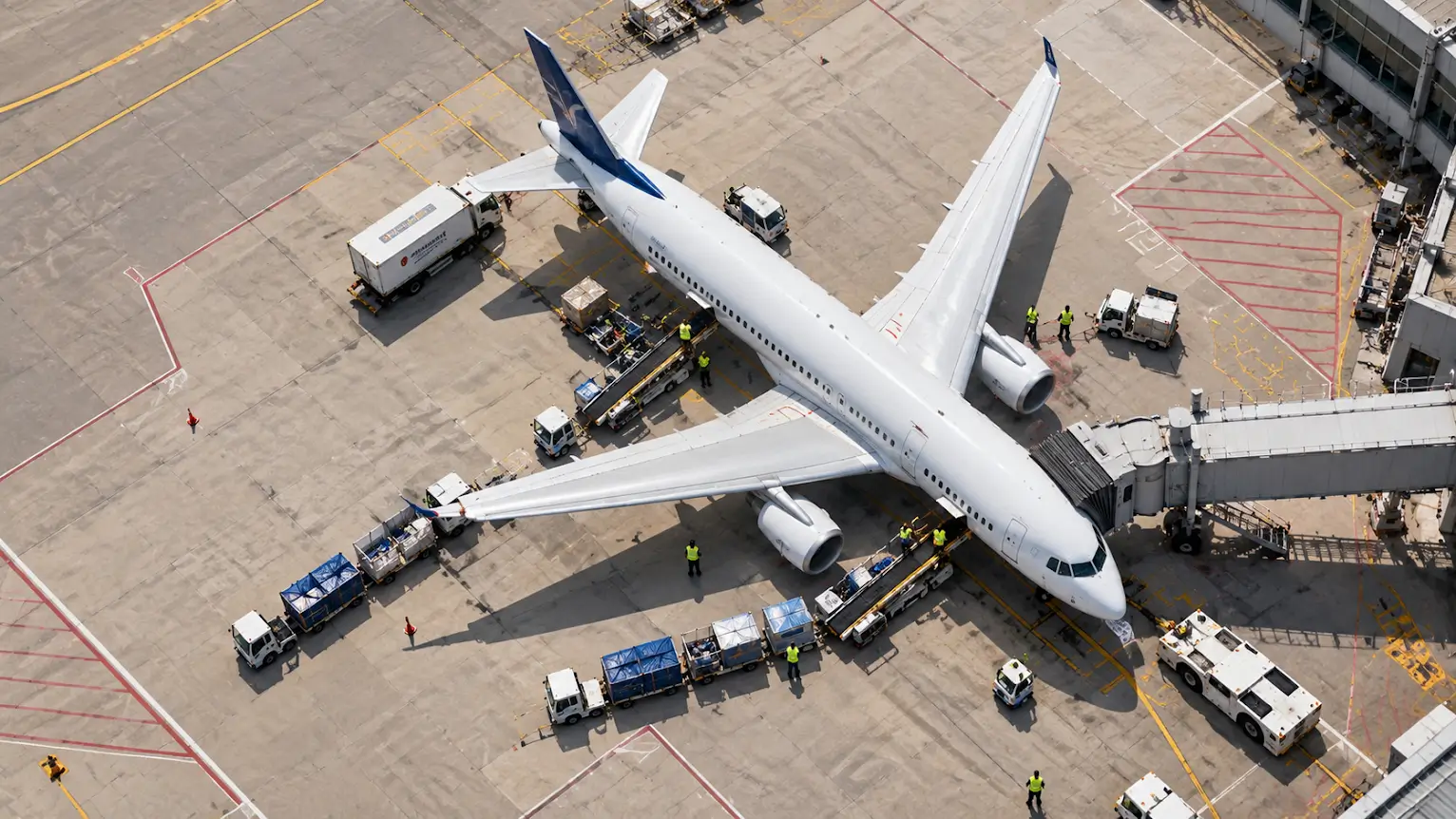
When a flight turns late, the airline’s operations desk points to the ground handler. The handler points back, showing a baggage delivery log that places the delay upstream. Both sides have data. The problem is that they aren’t looking at the same data. This argument plays out at airports worldwide. Finding out which side was slower rarely settles it. It comes down to whose timestamp is treated as the source of truth.
EUROCONTROL’s own data shows that ground handling, crew and technical delays averaged 2.5 minutes per flight in 2025 for first-wave departures. One late turnaround can cascade into the rest of the day’s schedule. These reactionary delays also remain a persistent problem across the network. When a missed SLA can ripple through an entire operation, the dispute over who owns the underlying data stops being an administrative detail. It becomes an operational risk.
The SLA looks clear until the clock starts
Ground handling SLA management usually reads well on paper. A turnaround target might be set at forty-five minutes, a bag delivery window at twenty minutes and pushback timed to scheduled departure. The numbers are specific and the contract language is usually tight.
What the contract rarely spells out is whose clock is right when systems disagree about when something actually happened.
Three systems can each be right and still disagree. The aircraft generates its own chocks-on time. A handler scans baggage delivery on a handheld device on the ramp. The airport’s operations platform logs gate closure separately. These timestamps aren’t wrong. Each one accurately reflects what its own system saw. But together they describe three slightly different versions of the same event, and that’s exactly where SLA disputes tend to surface: in the gap between records that weren’t designed to reconcile.
Whose system is right
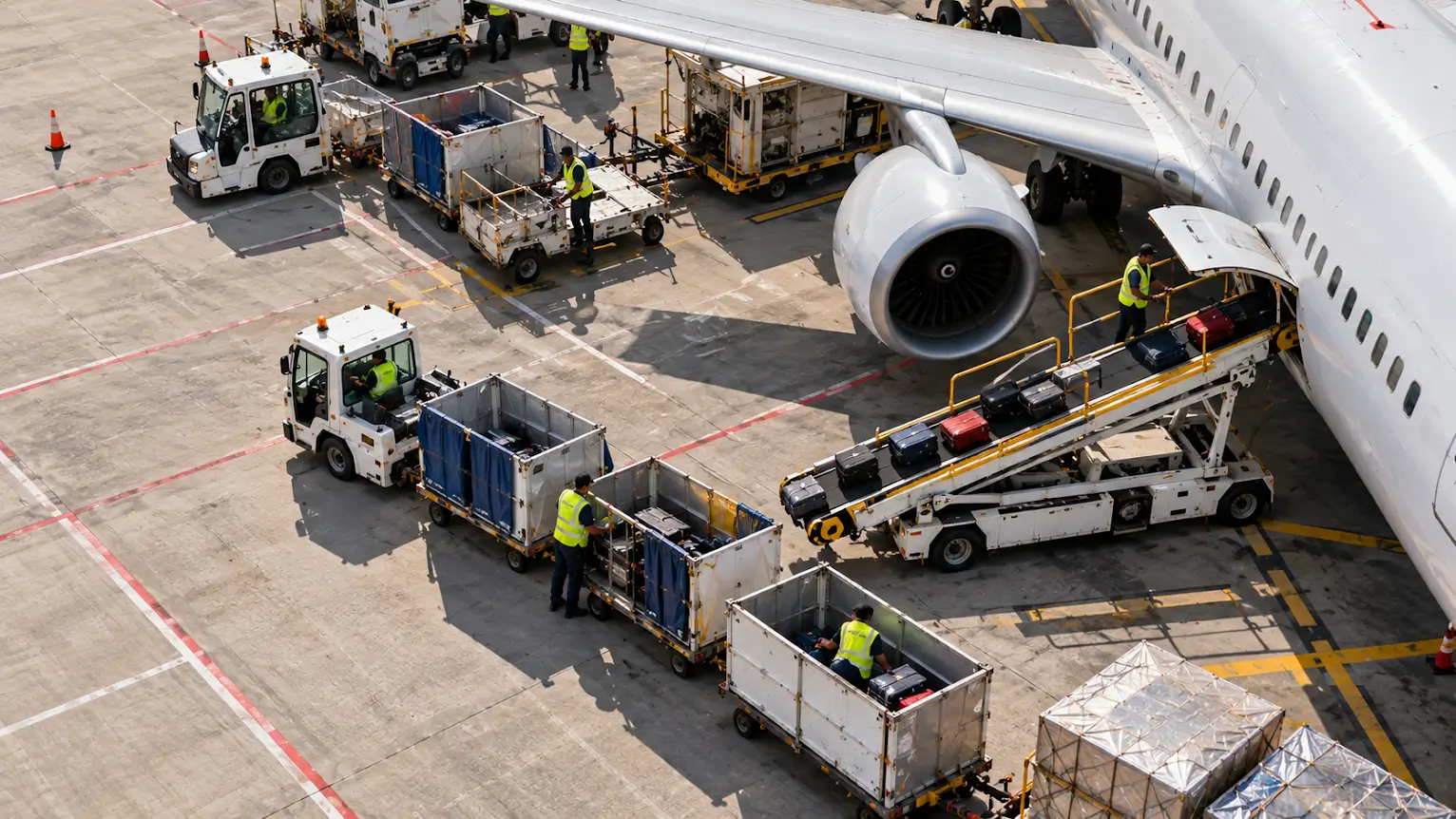
This is where most conversations between airlines and handlers stop being productive. Each side brings its own export, its own timestamp and its own version of what happened. Neither party is being dishonest. They’re reading from tools that different teams procured separately, at different points in the airport’s history, with different priorities in mind.
Airport analytics only work when it draws from one governed source for a turnaround event. Without that single source, every SLA breach turns into a data reconciliation exercise before anyone can even start the real performance conversation.
Why this keeps happening
The pattern repeats because most airports buy and deploy ground handling technology system by system. They may use one system for baggage tracking, another for ramp management and a separate platform for monitoring turnaround operations. Each system is designed to solve a specific operational problem, but they’re not always selected with the wider technology environment in mind.
Most airports treat system integration as a technical afterthought once these tools are already running, rather than a requirement they set before procurement begins. That sequencing creates the problem. An airport can own excellent individual tools and still have no reliable single account of what happened during a specific turnaround, because there’s no agreed hierarchy for determining which timestamp or event record takes precedence.
What ground handling technology should solve
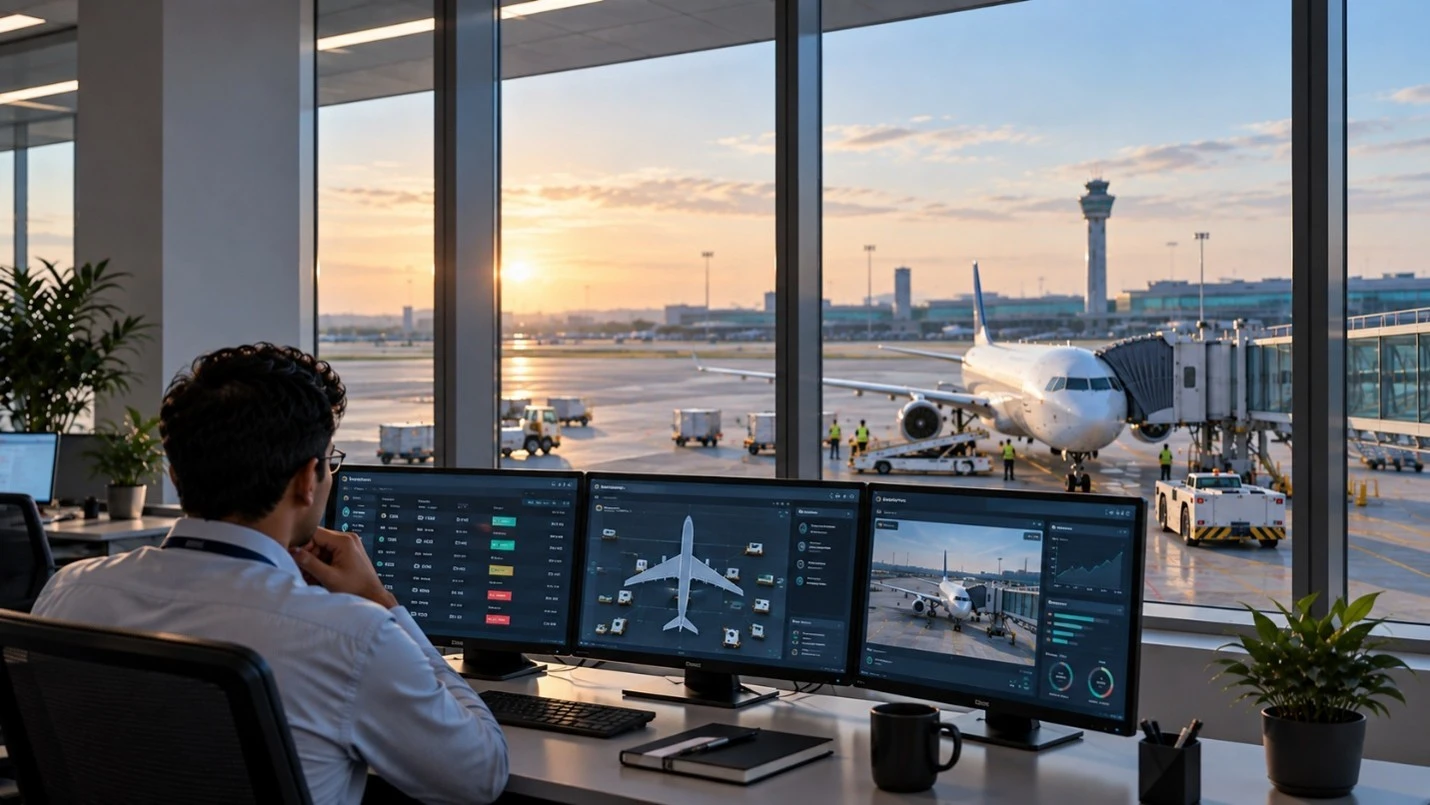
Once every system agrees on what happened during a turnaround, the conversation can shift from arguing over the past to preparing for what’s next. When applied to turnaround data, predictive analytics can flag a stand running behind schedule while there’s still time to act, shifting the conversation from blame to prevention. That only works when an airport trains the model on one trusted feed rather than three inconsistent ones, which brings the argument straight back to data ownership.
The same governance applies to passenger processing and to biometric and facial recognition systems too. Each depends on the airport treating one record as definitive rather than negotiating it later. Ground handling simply makes the problem more visible because the data is tied directly to SLAs, operational accountability and, ultimately, financial consequences.
Where accountability needs to sit
Operations management teams often end up mediating these disputes, and they tend to do it manually, cross-referencing exports and building a timeline after the event. That takes skilled staff away from live operations, while doing very little to prevent the same problem from happening on the next turnaround.
The answer is agreeing, before a dispute happens, which system’s record of chocks-on, bag delivery and gate closure counts, and making every system follow it. That decision belongs in the contract and in the technology architecture, not in a meeting called because an SLA slipped.
What this means for airports and handlers
SLA disputes will keep recurring as long as airlines and ground handlers read from separate systems that were never designed to agree. Fixing the contract language helps. Fixing the data ownership behind it helps more, because it removes the argument before it starts.
WAISL’s systems integration approach brings ground handling, baggage and turnaround data into one governed operational picture, so a single trusted record anchors accountability for all parties. Get in touch with our team to discuss what this looks like for your operation.